
Why do we need green spaces?
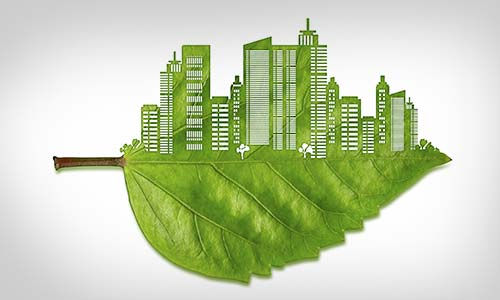
Green spaces work to enhance urban life by improving the physical and psychological health of people through providing opportunities to interact with nature and by reducing noise, increasing space and providing insulation, but also have environmental benefits such as increased biodiversity and air quality.
What kind of green spaces?
Greening strategies such as green roofs and green facades are a great option for creating green space in densely populated areas where space is scarce. Such strategies are an important planning tool that respond to both health and environmental needs in urban areas.
Plants have a cooling effect and can be use strategically in urban design to improve quality of life and reduce energy costs. For individual buildings, increased roof life and the insulating properties creating cool buildings in summer and warmer buildings in winter, as well as the reduction of noise levels are examples of the benefits of green roofs and facades. As they do not require extra space, such design measures are a suitable and effective way of creating green space.
Intensive verse Extensive Roofs
Intensive – often designed as roof gardens for human use and can support complex vegetation communities including groundcovers, small trees and shrubs. Require irrigation, maintenance and additional roof reinforcement.
Extensive – have substrate depths less than 20cm and are generally planted with low growing succulents and stress tolerant herbaceous species. Require no to little irrigation.
The Australian flora has great potential for the green roof environment as they are more tolerant and adapted to the nutrient-poor conditions found on green roofs.
Which Plants?
Herbaceous plants with soft or fleshy leaves such as Carprobrotus, Calandrinia and Portulaca species may be suitable for use in green roofs, as well as drought adapted species. These plants dominate in areas of ongoing Summer drought in south-eastern Australia.